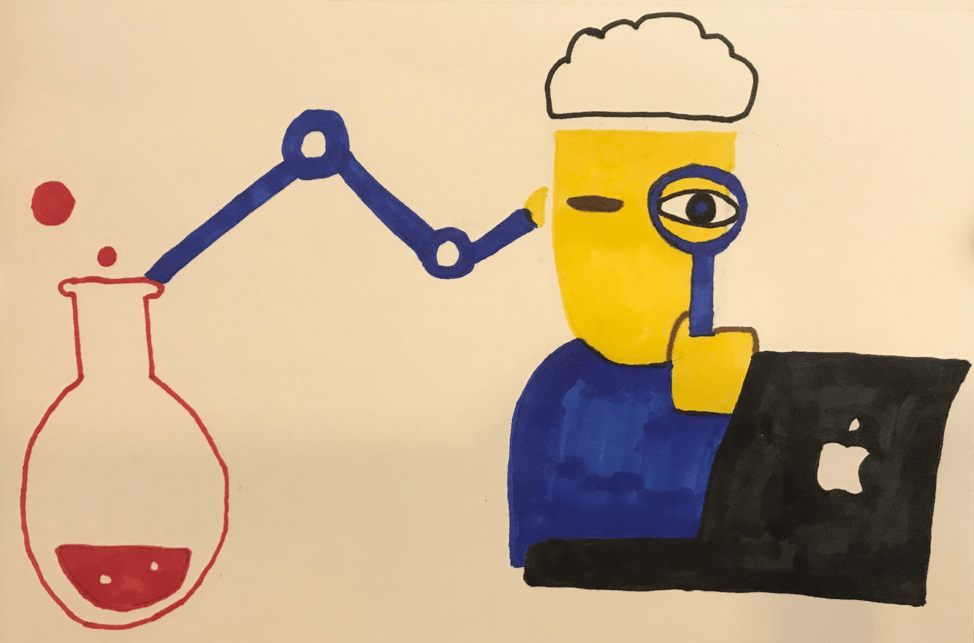
The testing phase is the final stage in the Design Thinking Process. The main framework for the testing phase is to refine, learn and solve. In the testing phase specifically, designers need to embrace that some projects are never finished, but some things are. For example, if a designer creates an app for their client, it will constantly need to have updates and be innovated to stay current with the consumer. Regardless of whether or not the projects are ongoing or able to be finished, there will always be reflecting and learning to create the most innovative and relevant product for your consumer. Testing can be done through screens, launches, publishing, printing, debugging, shipping, promoting, releasing and beta. In the testing phase, it is essential to do user research and testing to work out issues and kinks that were not foreseen in the prototype phase. As explained in the User Research: What It Is and Why You Should Do It article by Ditte Mortensen, the main reasons for user testing are, “ 1. To create designs that are truly relevant to your users. 2. To create designs that are easy and pleasurable to use. 3. To understand the return on investment (ROI) of your user experience (UX) design.” The common theme as seen through all other phases of the Design Process is that designs need to be relevant to your users and matter to them, or there is no point in creating. Relevance is always key in Design Thinking. To create relevant designs, User Research and Testing is very important to make sure you are helping the consumer. It can often be hard to get effective and honest User Research and Testing. If your User Research and Testing is not effective, it can negatively impact your product because getting honest feedback is key to refining your product.
One of the main reasons it has hard to get honest feedback is that people don’t want to hurt other people’s feelings. As stated in the article How to Get More Honest Feedback in User Testing by the Interaction Design Foundation, “They didn’t want to give me bad feedback, in part, because they thought it might be hurtful to me. This remained true even when I’d told them, I wanted bad feedback.” Feedback even when negative, is extremely helpful to designers. Designers need to be able to hear the negative things people say and not be insulted by negative comments. Designers need to be able to absorb this negative information and use it to refine and improve their design. In addition to getting nonfiltered feedback, second observers or a video recording of the session is key to be able to reflect and get deeper feedback. Since a lot is going on during User Testing, designers may not be able to focus and absorb all this information. In the testing phase, you must get relevant user testing that is honest. This information is crucial to refining during the final test phase to get a relevant product for the consumer. Getting a relevant product that matters to the consumer is the main objective of the whole Design Thinking Process.
 Madison's Creative Blog